Close Search Menu

Let Us Help

How University Researchers are Supporting the Nancy Grace Roman Space Telescope Launch

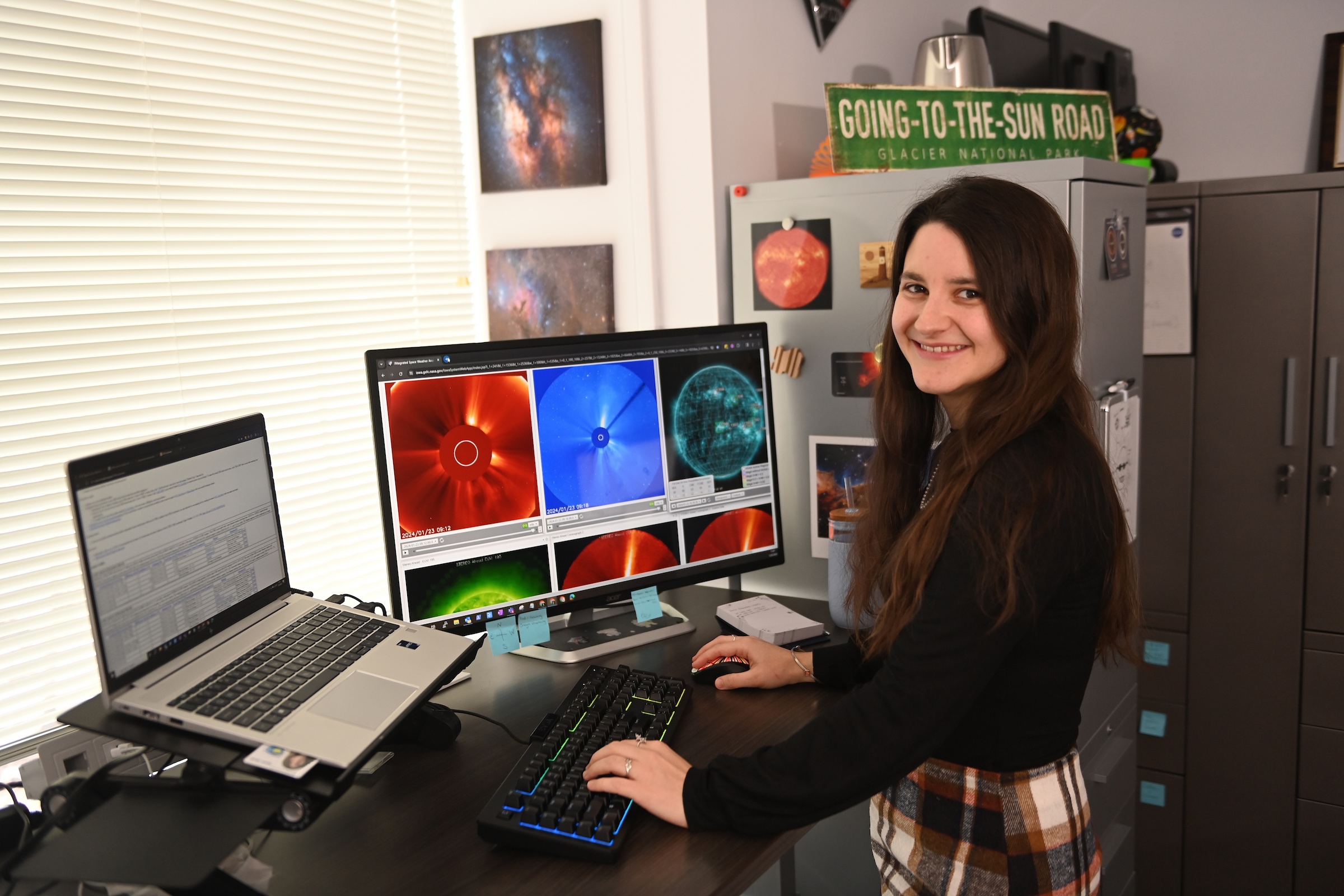
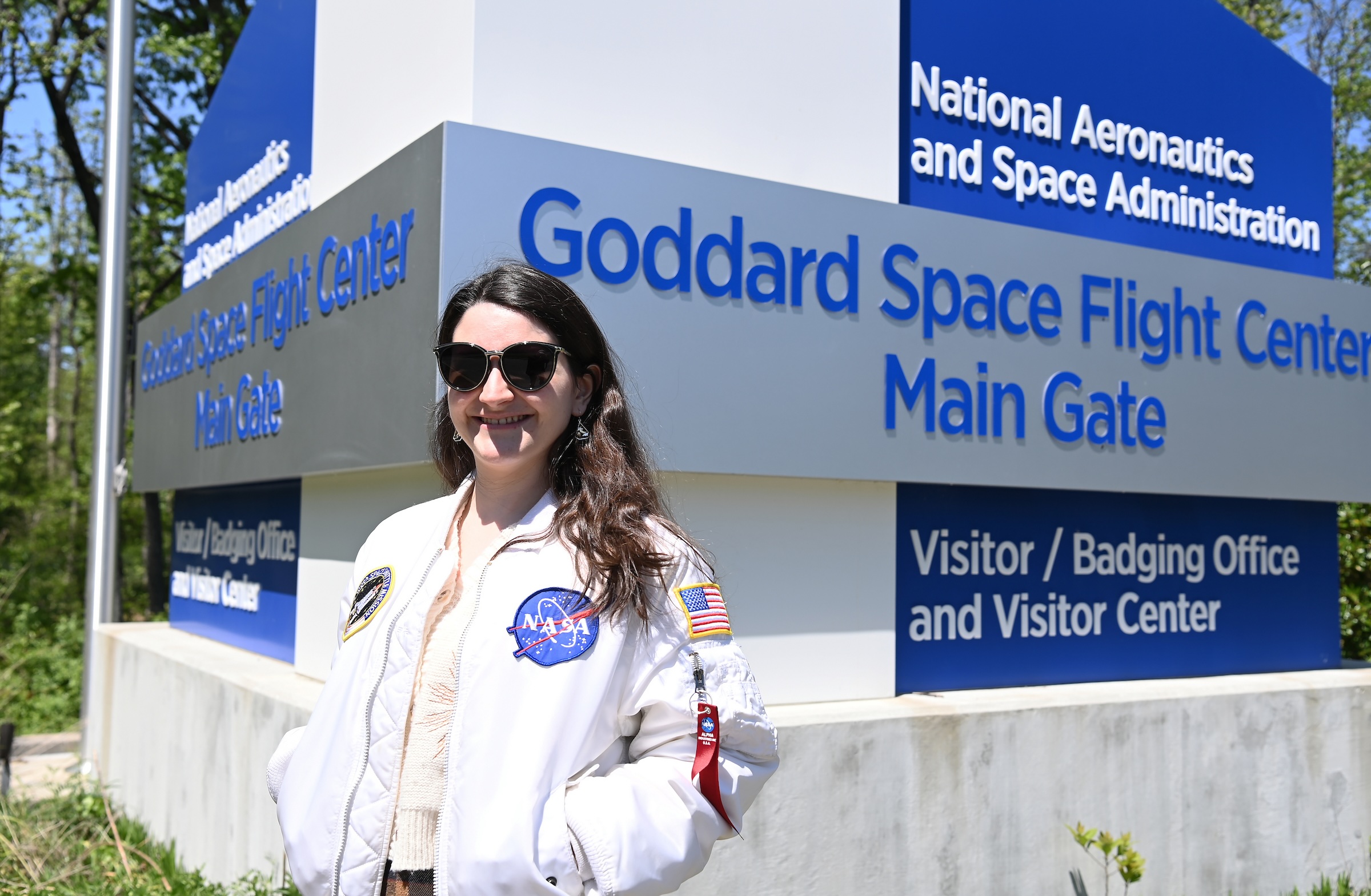
Carina Alden stands in front of an entrance sign for Goddard Space Flight Center
Carina Alden pursues space weather graduate studies part-time while working full-time for NASA’s Moon to Mars Space Weather Analysis Office. (Catholic University/Patrick G. Ryan)

The Nancy Grace Roman Space Telescope launch scheduled for August 30 promises to usher in a new era for space exploration. Researchers from The Catholic University of America are important players for mission success.

A successful launch is thanks in large part to the many University-affiliated researchers who are part of the staff of the Moon to Mars Space Weather Analysis Office at Goddard Space Flight Center (M2M SWAO). They scan the space weather environment to collect data critical to minimizing the impact of dangerous solar radiation that can jeopardize missions. They have previously provided 24/7 support for NASA’s highest profile launches, including Artemis II and the 2021 James Webb Space Telescope. 

M2M SWAO analysts Melissa Kane and Carina Alden work full-time for the M2M office while pursuing a master of science in applied space weather research at the University. They both credit the program with advancing their theoretical physics knowledge and building upon their on-the-job experience. 

The University is a key player in driving Goddard Space Flight Center’s reputation as the nation’s largest organization of scientists, engineers, and technologists advancing knowledge of Earth, the Sun, the solar system, and beyond. 
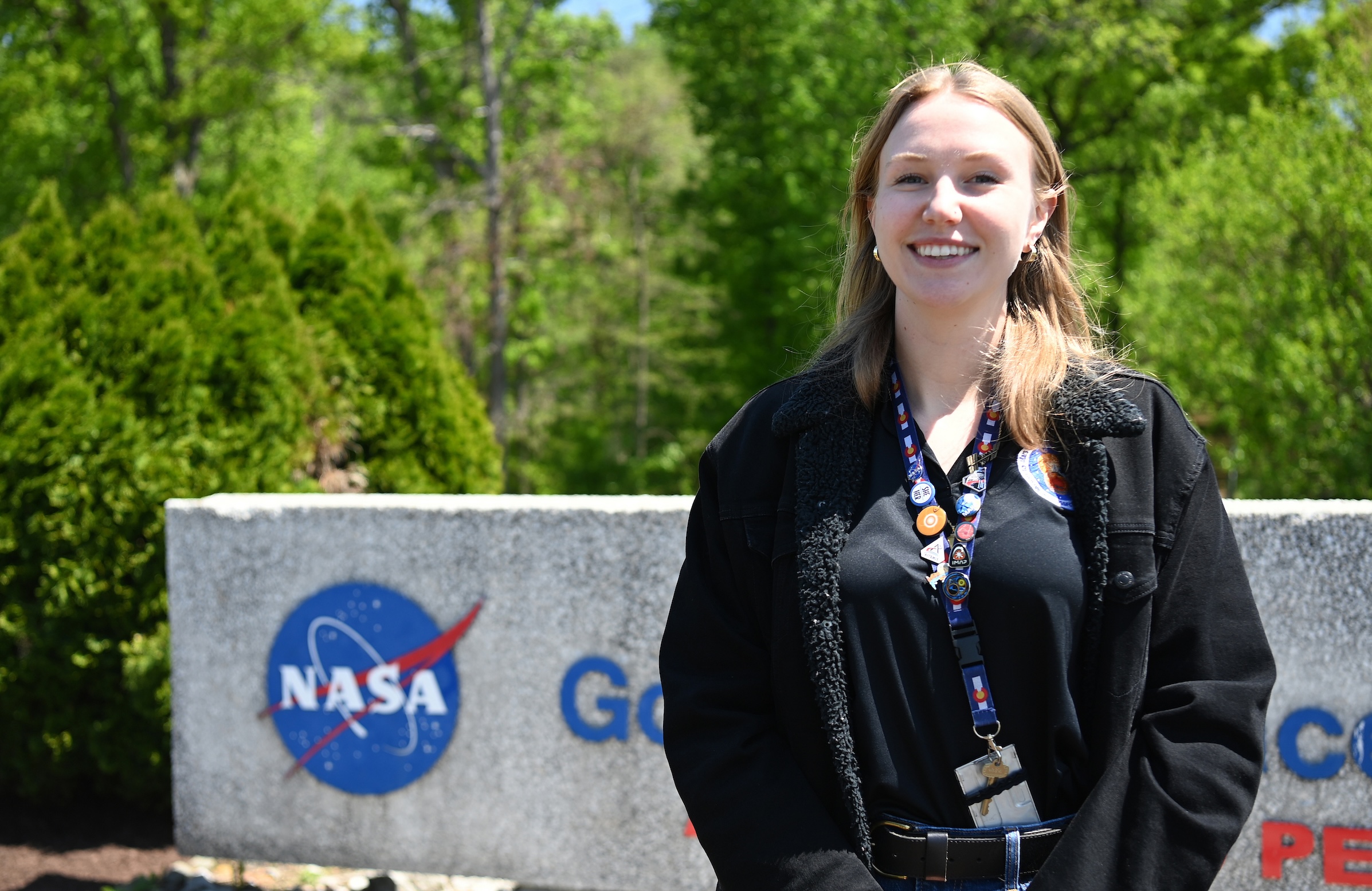
Lead scientist for the Roman telescope, Julie McEnery, explained that Catholic University, as a member of the NASA-funded research cooperative CRESST II, is part of a team of several universities that provide critical support for the mission. 

“CRESST II scientists are the driving force behind most of our science support centers here at Goddard,” said McEnery. “They’re extraordinarily productive. They produce a large number of papers, studies, and investigations using the missions that are supported here. The University also leads PHaSER, a $64 million cooperative agreement focused on heliophysics.

The University’s longstanding partnership with NASA and the campus’ proximity to Goddard provide ample opportunities for faculty and students, explained Physics Research Professor Tommy Wiklind. Two recent Ph.D. graduates – Stela Ishitani Silva, now at Caltech and Jonathan Brashear, now a postdoc at Goddard – wrote their doctoral theses on using Roman to discover other worlds with gravitational microlensing. Postdoctoral researcher Mainak Singha’s proposal was accepted for the first round of observations with the Roman telescope, and Assistant Research Scientist Isak Wold is part of a group leading a large program dedicated to discovering distant galaxies.

The Nancy Grace Roman Space Telescope is named after NASA's first chief astronomer. A trailblazing scientist, it’s clear that University researchers are well-poised to build upon her legacy. 


Related News