Life is hard enough. Why make it harder?
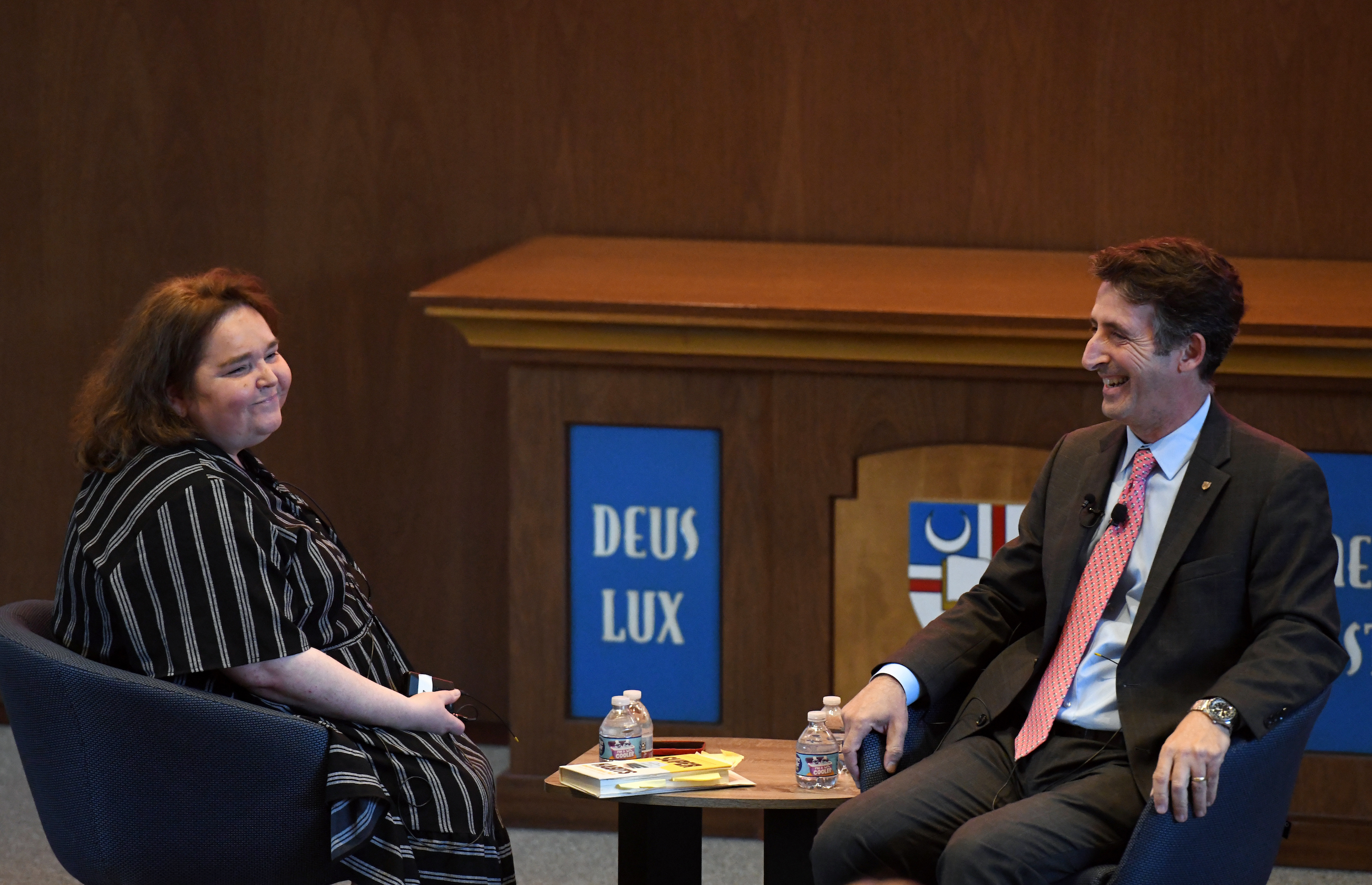
That was the question Andrew Abela, dean of the Busch School of Business, posed in an on-campus Q&A to launch his new book, “Superhabits: The Universal System for a Successful Life.” The book launch was held on Oct. 22 in a full auditorium at the Busch School and streamed online.
Noting that modern research shows that habits can greatly influence our physical, mental, and emotional health — for good and for bad — Abela uses stories, science, data, and the wisdom of St. Thomas Aquinas to lay out a practical and comprehensive guide to a better life in his book. Superhabits work together to ease decision-making, interpersonal interactions, and manage emotions.
“The real thrust of the book is that most people have more difficult lives than they need to have. Life is harder than it needs to be…The reason it is harder is that there are certain aspects of being human that could almost be on autopilot,” Abela told interviewer Kathryn Lopez, B.A. 1997, who is director of the Center for Religion, Culture, and Civil Society at the National Review Institute.
He defined a superhabit as a special kind of habit, or virtue. The challenge with using the word “virtue” is people associate the word only with moral or religious right or wrong, but a habit is something anyone can acquire through practice across different parts of life.
“If we understand the virtues as habits, then they become automatic. The more you grow in virtues, the happier you are. It gets easier to be the kind of person you want to be,” Abela told the audience, referencing both Aristotle and modern research.
In his book, he writes that developing any one of these virtues, which he calls “superpowers accessible to anyone,” helps a person become “calmer, more productive, more joyful, and healthier.” The key is to start small until the habit gets easier and becomes routine, like flossing your teeth at night or exercising a muscle, he told the audience at the book launch.
In his research, Abela found that both ancient philosophers and modern social scientists had developed lists of virtues, each with a different number of virtues. St. Thomas Aquinas, however, took a different approach. He developed not a list but a system of virtues that provided a superhabit for each aspect of life and showed how these superhabits worked together.
Aquinas’s “Treatise on the Virtues” is the basis of the “superhabits system” Abela developed to help individuals implement superhabits into their daily lives. In the system and the book, four super superhabits – self-discipline, courage, practical wisdom, and justice – are broken down into smaller superhabits. The most effective way to grow in the superhabit of self-discipline is to start by working on one of these smaller superhabits first before moving onto the next, Abela said.
Along with the Sophia Press book, Abela has a Superhabits Substack and a web app that uses a series of questions to help a person identify areas of strength and growth, and includes an AI “coach.” Abela also is the lead on a $1 million grant from the Educating Character Initiative to expand programs and initiatives designed to cultivate virtue among all undergraduate students at Catholic University.
“Superhabits” Book Launch Held at Busch School

Catholic University Researchers Earn Funding and Awards for AI-Related Research
College of Engineering, Physics, and Computing faculty and students are receiving grants and awards to advance their studies of artificial intelligence (AI) and its impact on discovery and innovation in other fields
How University Researchers are Supporting the Nancy Grace Roman Space Telescope Launch
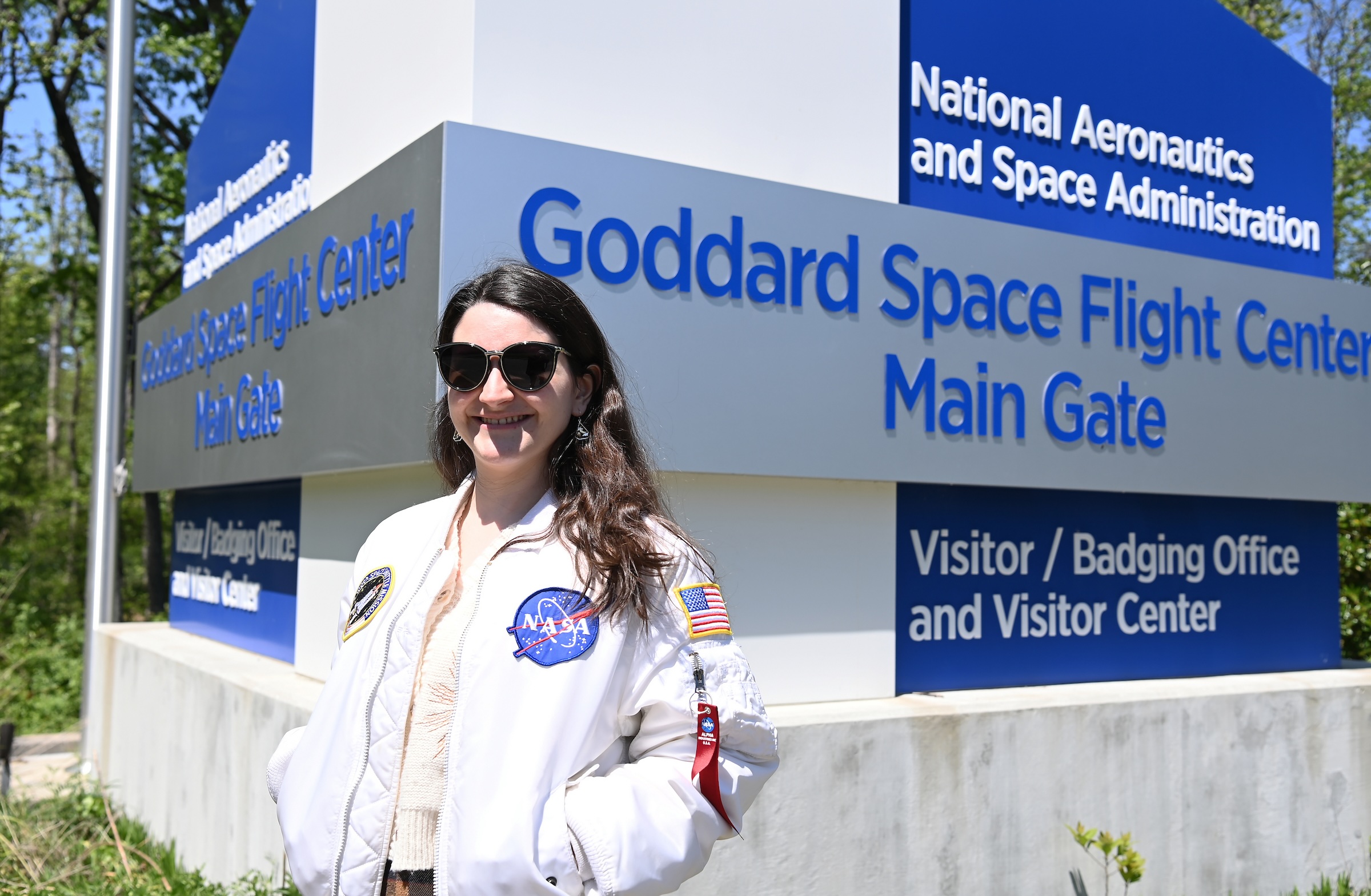
The Nancy Grace Roman Space Telescope launch scheduled for August 30 promises to usher in a new era for space exploration. Researchers from The Catholic University of America are important players for mission success.
The Professor Who Turned the Camera on Mental Health in College Sports
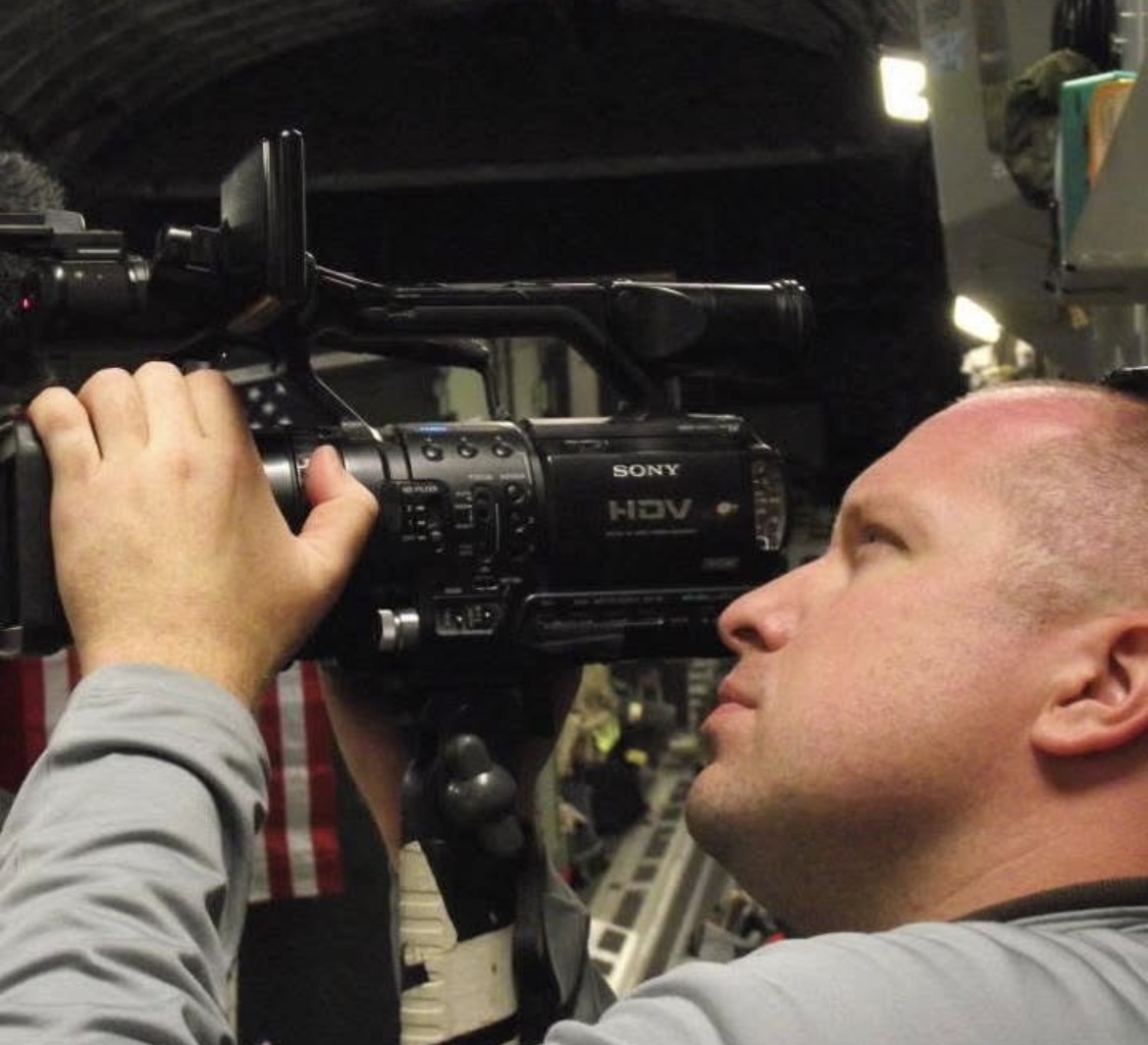
Before he was a professor at The Catholic University of America, Glenn Østen Anderson, M.St, MFA, was an elite track and field athlete who knew what it felt like to feel the pressure of performance on meet-day. His experiences as an athlete are at the heart of MindU, his new documentary short film on mental health in college athletics — partially filmed on the University’s campus and now showing at universities and at academic conferences nationwide.